
Do Taxis Take Wheelchairs? What to Know

If you need to travel in a wheelchair, the real question is rarely just do taxis take wheelchairs. It is whether the right vehicle is available, whether the driver has the correct equipment, and whether your journey can be handled safely without last-minute problems. That matters even more for airport runs, hospital appointments, school transport, and any trip where timing is important.
The short answer is yes, some taxis do take wheelchairs, but not all of them. A standard saloon car may be fine for a folded wheelchair if the passenger can transfer into a seat. If the passenger needs to remain in their wheelchair during the journey, you usually need a wheelchair-accessible vehicle with the right ramp or lift, restraint systems, and enough internal space. This is where many people get caught out, because they assume every taxi can accommodate every type of wheelchair.
Do taxis take wheelchairs in every case?
Not in every case, and that distinction is important. There is a difference between taking a wheelchair and transporting a wheelchair user safely. Some vehicles can carry a manual wheelchair in the boot while the passenger sits in the car. Others are designed so the passenger can stay seated in the wheelchair for the journey. These are two different booking requirements, and if you are not specific when you book, the wrong vehicle can easily turn up.
The type of wheelchair also makes a difference. A lightweight folding chair is much easier to accommodate than a large powered wheelchair. Powered chairs are often heavier, bulkier, and may need more headroom, wider access, and stronger securing points. Even among accessible vehicles, capacities vary. One WAV may suit a compact manual chair, while another is better suited to a larger electric model.
That is why a simple yes or no answer does not always help. The better question is whether the taxi company has a suitable vehicle for your exact needs, at your required time, and on your route.
What to ask when booking a wheelchair taxi
When you book, clear details make the journey smoother. Say whether the passenger will transfer into a standard seat or remain in the wheelchair. Mention whether the wheelchair is manual or powered, and if possible give the make, model, or approximate dimensions. If there is additional luggage, medical equipment, or another passenger travelling with you, say that at the start as well.
It also helps to explain the pickup and drop-off points properly. A wheelchair-accessible vehicle may need a bit more space to deploy a ramp safely. Narrow drives, steep kerbs, busy forecourts, or poorly lit collection points can all affect how straightforward the pickup is. If your journey starts at a hospital, station, hotel, or airport terminal, tell the operator exactly where assistance will be needed.
For longer journeys, ask about comfort as well as access. A vehicle may technically fit a wheelchair, but that does not always mean it is the best option for a trip of an hour or more. If the journey is to an airport or for a family event, you want enough room for the passenger, any companion, and bags without making the vehicle cramped.
Wheelchair-accessible taxis and standard taxis
A standard taxi can still be useful in some situations. If the passenger is able to move into the car seat comfortably and the wheelchair folds down, a normal vehicle may be all that is required. This can sometimes give you more availability, especially at short notice.
However, if the passenger needs to stay in the wheelchair, a standard car is not the right choice. In that case, a proper wheelchair-accessible vehicle is the safer and more practical option. These vehicles are built to allow entry by ramp or lift and to secure the wheelchair in place during travel. That is not an optional extra. It is a core safety requirement.
This is also why booking ahead is sensible. Accessible vehicles are often fewer in number than standard cars, so availability can be tighter during peak hours, school run times, late evenings, and busy travel periods.
Why advance booking matters
For wheelchair users, advance booking is less about convenience and more about reliability. If you are travelling to a medical appointment, catching a flight, attending work, or arranging travel for a relative, you do not want to rely on chance. Booking ahead gives the operator time to allocate the correct vehicle and plan the route properly.
It also gives you a chance to confirm any practical details before the day of travel. For example, you may want to check whether the vehicle can handle a powered chair, whether the driver can allow extra boarding time, or whether return travel can be pre-arranged. These are simple checks, but they reduce stress and make the day more manageable.
For recurring journeys, such as school transport or regular appointments, using a dependable local operator is often the best approach. Consistency matters. A company that knows your requirements is more likely to send the right vehicle and avoid repeated explanations each time you book.
Safety matters more than speed
When people ask do taxis take wheelchairs, they are often really asking whether the journey will be safe and dignified. That comes down to more than just vehicle size. The driver needs to understand how to position the vehicle sensibly, use the ramp correctly, allow enough time for boarding, and secure the wheelchair properly.
A rushed pickup is rarely a good one. Good accessible transport should feel organised and calm. The passenger should not be made to feel like an inconvenience, and the process should not feel improvised. Professional drivers understand that a few extra minutes at the start of the journey can make the whole trip easier.
This is particularly relevant for vulnerable passengers, older travellers, and anyone arranging transport on behalf of a parent, child, or client. In those cases, reassurance matters just as much as punctuality.
Airport journeys, events and longer-distance travel
Wheelchair travel often needs a bit more planning on longer routes. Airport transfers are a common example. Along with the wheelchair itself, there may be suitcases, hand luggage, mobility aids, and family members travelling together. A vehicle that is suitable for a local trip may not be the best fit for a full airport run.
The same applies to weddings, parties, business travel, and intercity journeys. It is worth checking both access and capacity, rather than assuming one accessible vehicle suits every booking. If comfort, timing, and space all matter, ask for a vehicle that is practical for the full journey, not just technically compliant.
This is where an experienced operator makes a difference. A company such as 247 Cars Watford can advise on the right vehicle type rather than leaving customers to guess. That is especially useful when someone is booking for another person and wants confidence that the arrangement is correct.
Common problems and how to avoid them
Most issues happen before the car even arrives. The wrong vehicle gets dispatched because the wheelchair was not mentioned, the chair turns out to be larger than expected, or there is not enough room for luggage and accompanying passengers. These are avoidable problems when the booking is detailed from the start.
Another common issue is assuming all wheelchair users have the same needs. Some passengers need only extra boot space. Others need a low-angle ramp, more boarding time, or enough space to remain in a powered chair. It depends on the person, the equipment, and the journey.
If you are booking online, use any notes section properly. If you are booking by phone, be direct and specific. It is better to give too much information than too little when accessibility is involved.
The practical answer to do taxis take wheelchairs
Yes, taxis can take wheelchairs, but the right answer depends on the vehicle, the wheelchair, and the passenger’s needs. Some journeys work well in a standard car with a folded chair. Others require a fully wheelchair-accessible vehicle and a driver prepared for safe, proper assistance.
The best approach is simple. Book with a company that offers accessible options, explain exactly what you need, and do not leave important details until the vehicle arrives. When the right car is sent first time, the journey feels what it should be – straightforward, safe, and one less thing to worry about.
If you are arranging travel for yourself or someone else, a clear booking now saves a difficult journey later.
Wheelchair Accessible Transportation Services
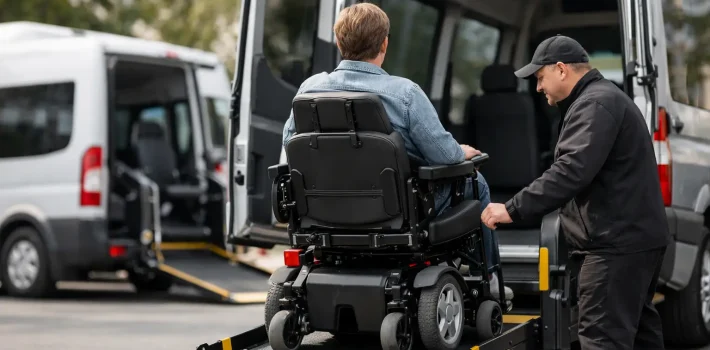
A missed pickup is frustrating for anyone. When a passenger uses a wheelchair, it can also mean missed appointments, disrupted care plans, added stress for family members and longer waiting times in places that are not always comfortable. That is why wheelchair accessible transportation services need to be more than available on paper. They need to be practical, punctual and easy to arrange.
For many passengers in Watford and the surrounding area, the real question is not whether an accessible vehicle exists. It is whether the booking process is clear, the driver arrives on time, and the journey is handled with proper care from pickup to drop-off. If you are booking for yourself, a relative, a client or a patient, those details matter far more than broad promises.
What good wheelchair accessible transportation services look like
A reliable accessible journey starts before the vehicle moves. The booking should confirm the passenger’s needs clearly, including whether they will remain in their wheelchair during travel, whether they are travelling with a companion, and whether any additional luggage or mobility equipment needs space.
The vehicle itself must be suitable for the trip. That means proper access, secure wheelchair restraint systems and enough room for the passenger to travel comfortably. For some journeys, a standard saloon with foldable wheelchair storage may be enough. For others, a wheelchair-accessible vehicle is the only sensible option. The difference matters, especially for airport runs, hospital appointments and longer distance travel.
Driver conduct is just as important. Passengers want a professional driver who understands safe boarding, secure positioning and the need for patience without being patronising. A calm, straightforward approach makes a real difference, particularly for older passengers or those who may already feel anxious about travelling.
Why booking the right service matters
Not all transport providers handle accessible work to the same standard. Some can take a wheelchair only if it folds. Others offer a dedicated accessible vehicle but limited availability. Some operate locally but struggle with time-sensitive bookings such as early airport departures or evening returns from events.
That is why it helps to book with a private hire company that treats accessible transport as part of its normal service, not as an exception. A provider with round-the-clock coverage, trained drivers and clear booking channels is better placed to support regular journeys as well as last-minute travel.
For families, this often comes down to trust. If you are arranging transport for a parent, partner or child, you want to know the vehicle will turn up, the driver will be properly checked, and the journey will not become more difficult than it needs to be. For business clients and care coordinators, reliability matters in a different way. Delays affect schedules, appointments and duty of care.
Wheelchair accessible transportation services for everyday travel
Accessible transport is often associated with hospitals and medical appointments, but most passengers need it for ordinary life as well. Local shopping trips, station transfers, visiting friends, family gatherings, school travel and evenings out all require the same basic standards – safety, punctuality and ease.
That is where a dependable local operator has an advantage. A driver who knows Watford, understands pickup access at residential roads, clinics, stations and venues, and can work around traffic conditions is better able to keep a journey smooth. Small operational details, such as arriving at the correct entrance or allowing enough space for boarding, can save time and reduce pressure.
This also matters for return journeys. Many passengers are comfortable when the outbound trip is booked but worry about getting home, especially after dark or after an appointment has overrun. A 24-hour service helps remove that uncertainty.
Planning airport and long-distance accessible journeys
Airport travel demands more planning than a local trip. Pickup times are tighter, luggage is heavier, and delays can become expensive. For wheelchair users, there is also the added need to make sure the right vehicle is sent first time.
When booking an airport transfer, it helps to confirm the terminal, flight time, number of passengers and whether the wheelchair is manual or powered. If a passenger is travelling with carers or family members, that should be included at the time of booking as well. Space requirements can change quickly once suitcases and mobility equipment are added.
Long-distance travel needs similar care. A journey that is manageable for twenty minutes may require a different setup for an hour or more. Comfort, leg room, access on arrival and planned stops can all affect the booking choice. The best approach is a clear discussion before travel rather than assumptions on the day.
What to ask before you book
Customers do not need technical language to arrange the right service, but a few simple questions can prevent problems. Ask whether the vehicle is fully wheelchair accessible or only suitable for storing a folded wheelchair. Confirm whether the passenger will remain seated in the wheelchair during the journey. Check how many additional passengers can travel, and mention any luggage, shopping bags or medical equipment.
It is also sensible to ask about timing. If the trip is for a hospital appointment, school collection or flight departure, make that clear. A good transport provider will plan around that rather than treating it as a standard pickup.
If you are booking on behalf of someone else, include a contact number for the passenger or companion where possible. That makes arrival and pickup easier, particularly at busy locations.
Safety and professionalism are not optional
Accessible transport should feel routine, not risky. That means using licensed drivers, appropriate vehicles and clear booking records. Passengers and families should not have to chase updates or wonder who is arriving.
Professional standards become even more important when transport is arranged for vulnerable passengers, children or elderly travellers. DBS-checked drivers, confirmed bookings and a direct line of contact all help provide reassurance. They also create consistency for repeat journeys, which is useful for regular school transport, care visits and recurring medical appointments.
At 247 Cars Watford, accessible travel sits alongside airport transfers, school runs, executive journeys and local private hire work because customers often need more than one type of transport from the same trusted provider. That practical approach matters. Many households and organisations want one company they can call for standard and specialist journeys alike.
When accessibility and convenience need to work together
One of the most common frustrations in transport is being told a specialist service is available, only to find that it must be booked far in advance, is available only at certain times, or cannot handle straightforward additions such as extra passengers or return travel. Real convenience means the accessible option is built into the service properly.
That does not mean every journey is identical. Some trips need more notice than others, and peak times can affect vehicle availability. But the process should still be simple. Customers should be able to book online, by app or over the phone, explain what they need clearly, and receive confirmation without confusion.
This is especially useful for people booking under pressure. A family member may need same-day transport. A workplace may need to arrange travel for a visitor. A passenger may need a late-night return after an event. In those situations, straightforward service is not a bonus. It is the point.
Choosing a provider in Watford
If you are comparing wheelchair accessible transportation services, look at how the company operates day to day rather than how it describes itself. Do they offer 24/7 coverage? Can they support local and long-distance journeys? Are the drivers licensed and checked? Is it easy to book, amend or confirm a trip? Those answers usually tell you more than broad claims about customer care.
It also helps to choose a provider with a wider fleet and service range. A company that already manages airport runs, executive bookings, school transport and account work is often better equipped operationally. It has dispatch systems, scheduling discipline and experience handling different journey types without fuss.
Accessible travel should not feel like a special request that complicates everything. It should feel like a properly organised journey with the right vehicle, the right driver and the right level of care. That is what passengers remember, and that is what makes future travel easier to arrange.
When transport is dependable, people can focus on where they need to be rather than how they will get there. That peace of mind is often the most valuable part of the journey.
Choosing Wheelchair Accessible Taxi Services

A missed pickup is frustrating for anyone. When you rely on a wheelchair, it can disrupt medical appointments, work travel, school runs, airport journeys, and family plans in a much bigger way. That is why wheelchair accessible taxi services need to be judged on more than price alone. The right service should give you confidence before the vehicle even arrives.
For many passengers, accessibility is not a bonus feature. It is the basic requirement that makes the journey possible. A provider needs to offer the right vehicle, the right driver support, and a booking process that is clear from the start. If any one of those parts is weak, the trip becomes harder than it should be.
What good wheelchair accessible taxi services should provide?
A proper accessible journey starts with the vehicle itself. That means enough space for the wheelchair, safe access into the vehicle, and the right restraints to secure both the chair and the passenger. Some passengers transfer from their wheelchair into a seat, while others remain in the chair during the journey. A reliable service should be able to confirm what the vehicle can accommodate instead of giving vague answers.
Driver support matters just as much. A professional driver should understand how to assist without rushing, making assumptions, or turning a simple pickup into a stressful experience. That includes allowing enough time for boarding, helping with ramps where needed, and checking that everything is secure before setting off. Confidence comes from calm, competent handling.
Booking clarity is another part of quality. If a customer has to explain the same accessibility requirement three times, the process is already failing. Good providers make it easy to state what is needed when booking, whether that is over the phone, online, or through an app. They also confirm the details clearly so there is less chance of the wrong vehicle being sent.
Not all accessible transport needs are the same
One of the most common mistakes in this area is assuming all wheelchair users need the same setup. In practice, requirements vary. Some passengers use compact folding wheelchairs. Others use larger manual chairs or powered wheelchairs that need more room and a different loading arrangement. Some travel alone, while others need space for a family member, carer, or extra luggage.
This is why asking a few practical questions before booking is not a barrier. It is part of getting the journey right. A professional taxi company should be ready to ask about wheelchair size, whether the passenger will stay in the chair, how many people are traveling, and whether there are any pickup access issues at the property. These questions help avoid delays and unsuitable vehicles.
There can also be a difference between a short local trip and a longer-distance journey. A ten-minute ride to a clinic has different comfort needs from an airport transfer or a cross-country trip. For longer journeys, passengers often need more cabin space, smoother entry and exit, and enough room for additional bags or medical equipment. A dependable operator plans for that rather than treating every booking the same.
Why timing matters more with accessible bookings?
Punctuality always matters in transport, but with wheelchair accessible taxi services it has extra weight. A delay can mean missing an appointment slot that took weeks to arrange. It can leave a student late for school or a traveler under pressure for check-in. It can also create practical problems if a passenger has arranged support at the destination.
That is why availability should be backed by real operational planning. A company should not simply accept the booking and hope the right vehicle is free. It needs a system that matches the booking to the correct accessible vehicle and allocates it properly. This is especially important for early mornings, late nights, weekends, and peak travel times when demand can be less predictable.
Round-the-clock service can make a real difference here. Many accessible journeys do not happen neatly within office hours. Hospital discharges, airport arrivals, family emergencies, and work schedules often require transport at short notice. A provider that operates 24 hours a day is better placed to handle those situations without making customers feel like their journey is an exception.
Safety is more than driver licensing
Passengers should expect licensed, professional drivers as a basic standard. But safety in accessible travel goes further than that. The driver should know how to use ramps or lifts correctly, how to secure the wheelchair properly, and how to make sure the passenger is comfortable before the vehicle moves. If the restraint points are not fitted correctly, the risk during the journey increases.
There is also a customer service side to safety. People need to feel respected and listened to, especially when they are sharing personal mobility needs. Clear communication, patience, and professionalism reduce anxiety and help the whole trip run more smoothly. For many families booking on behalf of a relative, that reassurance is a major part of choosing the service.
This is where an established operator stands out. A company with trained, DBS-checked drivers and a clear service process gives customers stronger reasons to trust the booking. In a service area like Watford, where people may need anything from a local ride to a hospital visit or airport transfer, that consistency matters.
How booking should work
Accessible transport should not involve guesswork. The booking process should be straightforward and should allow customers to explain exactly what they need. Some people prefer calling because they want immediate confirmation and the chance to ask questions. Others want the speed of online or app booking. A strong provider should support both.
What matters most is confirmation. Customers should know the date, pickup time, pickup point, destination, and the accessibility requirement recorded against the booking. If there are any limits, such as vehicle size or space for extra passengers, those should be explained honestly before the trip is accepted.
It also helps when the service can handle regular bookings. Many passengers need repeat transport for work, education, therapy, or healthcare. In those cases, consistency is as important as convenience. A provider that can manage recurring journeys takes pressure off passengers and family members who otherwise have to arrange each trip individually.
What to ask before you book
A few direct questions can prevent problems later. Ask whether the vehicle can take your specific wheelchair type and whether you will remain in the chair during travel. Check how many passengers can travel alongside you. If you have luggage, medical equipment, or a folding mobility aid in addition to the wheelchair, mention that as well.
It is also sensible to ask about pickup timing and whether extra boarding time is allowed. A rushed pickup usually creates stress for everyone. If you are booking for an airport, long-distance trip, or appointment with a fixed arrival time, mention that clearly so the operator can schedule the journey properly.
If you are arranging the trip for someone else, pass on as much practical detail as possible. That includes contact numbers, access instructions, and whether the passenger prefers any specific support approach. Clear information helps the driver arrive prepared.
Accessibility should feel normal, not complicated
The best wheelchair accessible taxi services do not make customers feel like they are asking for something unusual. They treat accessible travel as part of professional transport, planned properly and delivered reliably. That mindset changes the whole experience. Instead of worrying whether the vehicle will fit or whether the driver will understand, the passenger can focus on the reason for the trip.
For local passengers and families, that reliability builds trust over time. For business accounts, schools, and organizations arranging travel for others, it is even more important because one failed journey can affect multiple people. Accessibility should be part of a transport company’s everyday capability, not an occasional add-on.
A good service is usually easy to recognize. The communication is direct. The questions are practical. The booking is confirmed clearly. The driver arrives on time, knows what is required, and carries out the journey professionally. That is what turns an essential trip into a manageable one.
When you are choosing transport, look for the company that treats accessibility with the same seriousness as timing, safety, and customer care. That is the kind of service that makes everyday travel feel possible again.
Why Online Taxis Are a Safe Choice for Late-Night Rides
In today’s fast-paced world, safety is a concern everyone has. Late-night travel can often be associated with safety concerns. However, online taxi services have revolutionized the way we commute, particularly after dark. Read More
How to Choose the Best Taxi Service: What to Look For?
Need a ride across town but don’t feel like wrestling with traffic? Taxis are a lifesaver, but with so many companies out there, how do you pick the perfect one? How do you ensure you’re picking a reliable service that will get you to your destination safely and on time? Don’t worry, this guide will turn you into a taxi-hailing pro in no time, helping you navigate the options and select the perfect ride for your needs. Read More
Why Choose 24/7 Cars for Your Transportation Needs?
When it comes to finding a reliable way to get from one place to another, especially during winter, having a trustworthy transportation partner is essential.
At 24/7 Cars, we understand how important it is to have safe and reliable transportation. Read More


