
Wheelchair Accessible Transportation Services
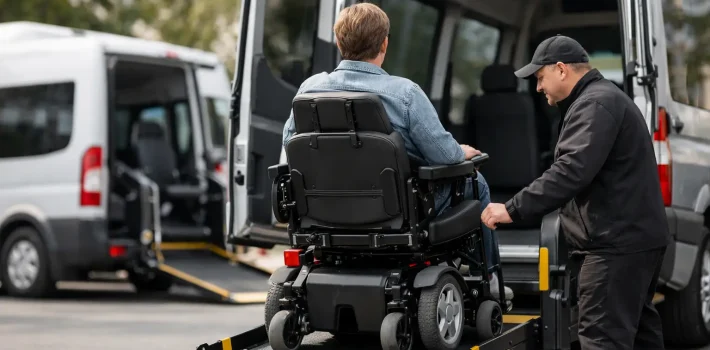
A missed pickup is frustrating for anyone. When a passenger uses a wheelchair, it can also mean missed appointments, disrupted care plans, added stress for family members and longer waiting times in places that are not always comfortable. That is why wheelchair accessible transportation services need to be more than available on paper. They need to be practical, punctual and easy to arrange.
For many passengers in Watford and the surrounding area, the real question is not whether an accessible vehicle exists. It is whether the booking process is clear, the driver arrives on time, and the journey is handled with proper care from pickup to drop-off. If you are booking for yourself, a relative, a client or a patient, those details matter far more than broad promises.
What good wheelchair accessible transportation services look like
A reliable accessible journey starts before the vehicle moves. The booking should confirm the passenger’s needs clearly, including whether they will remain in their wheelchair during travel, whether they are travelling with a companion, and whether any additional luggage or mobility equipment needs space.
The vehicle itself must be suitable for the trip. That means proper access, secure wheelchair restraint systems and enough room for the passenger to travel comfortably. For some journeys, a standard saloon with foldable wheelchair storage may be enough. For others, a wheelchair-accessible vehicle is the only sensible option. The difference matters, especially for airport runs, hospital appointments and longer distance travel.
Driver conduct is just as important. Passengers want a professional driver who understands safe boarding, secure positioning and the need for patience without being patronising. A calm, straightforward approach makes a real difference, particularly for older passengers or those who may already feel anxious about travelling.
Why booking the right service matters
Not all transport providers handle accessible work to the same standard. Some can take a wheelchair only if it folds. Others offer a dedicated accessible vehicle but limited availability. Some operate locally but struggle with time-sensitive bookings such as early airport departures or evening returns from events.
That is why it helps to book with a private hire company that treats accessible transport as part of its normal service, not as an exception. A provider with round-the-clock coverage, trained drivers and clear booking channels is better placed to support regular journeys as well as last-minute travel.
For families, this often comes down to trust. If you are arranging transport for a parent, partner or child, you want to know the vehicle will turn up, the driver will be properly checked, and the journey will not become more difficult than it needs to be. For business clients and care coordinators, reliability matters in a different way. Delays affect schedules, appointments and duty of care.
Wheelchair accessible transportation services for everyday travel
Accessible transport is often associated with hospitals and medical appointments, but most passengers need it for ordinary life as well. Local shopping trips, station transfers, visiting friends, family gatherings, school travel and evenings out all require the same basic standards – safety, punctuality and ease.
That is where a dependable local operator has an advantage. A driver who knows Watford, understands pickup access at residential roads, clinics, stations and venues, and can work around traffic conditions is better able to keep a journey smooth. Small operational details, such as arriving at the correct entrance or allowing enough space for boarding, can save time and reduce pressure.
This also matters for return journeys. Many passengers are comfortable when the outbound trip is booked but worry about getting home, especially after dark or after an appointment has overrun. A 24-hour service helps remove that uncertainty.
Planning airport and long-distance accessible journeys
Airport travel demands more planning than a local trip. Pickup times are tighter, luggage is heavier, and delays can become expensive. For wheelchair users, there is also the added need to make sure the right vehicle is sent first time.
When booking an airport transfer, it helps to confirm the terminal, flight time, number of passengers and whether the wheelchair is manual or powered. If a passenger is travelling with carers or family members, that should be included at the time of booking as well. Space requirements can change quickly once suitcases and mobility equipment are added.
Long-distance travel needs similar care. A journey that is manageable for twenty minutes may require a different setup for an hour or more. Comfort, leg room, access on arrival and planned stops can all affect the booking choice. The best approach is a clear discussion before travel rather than assumptions on the day.
What to ask before you book
Customers do not need technical language to arrange the right service, but a few simple questions can prevent problems. Ask whether the vehicle is fully wheelchair accessible or only suitable for storing a folded wheelchair. Confirm whether the passenger will remain seated in the wheelchair during the journey. Check how many additional passengers can travel, and mention any luggage, shopping bags or medical equipment.
It is also sensible to ask about timing. If the trip is for a hospital appointment, school collection or flight departure, make that clear. A good transport provider will plan around that rather than treating it as a standard pickup.
If you are booking on behalf of someone else, include a contact number for the passenger or companion where possible. That makes arrival and pickup easier, particularly at busy locations.
Safety and professionalism are not optional
Accessible transport should feel routine, not risky. That means using licensed drivers, appropriate vehicles and clear booking records. Passengers and families should not have to chase updates or wonder who is arriving.
Professional standards become even more important when transport is arranged for vulnerable passengers, children or elderly travellers. DBS-checked drivers, confirmed bookings and a direct line of contact all help provide reassurance. They also create consistency for repeat journeys, which is useful for regular school transport, care visits and recurring medical appointments.
At 247 Cars Watford, accessible travel sits alongside airport transfers, school runs, executive journeys and local private hire work because customers often need more than one type of transport from the same trusted provider. That practical approach matters. Many households and organisations want one company they can call for standard and specialist journeys alike.
When accessibility and convenience need to work together
One of the most common frustrations in transport is being told a specialist service is available, only to find that it must be booked far in advance, is available only at certain times, or cannot handle straightforward additions such as extra passengers or return travel. Real convenience means the accessible option is built into the service properly.
That does not mean every journey is identical. Some trips need more notice than others, and peak times can affect vehicle availability. But the process should still be simple. Customers should be able to book online, by app or over the phone, explain what they need clearly, and receive confirmation without confusion.
This is especially useful for people booking under pressure. A family member may need same-day transport. A workplace may need to arrange travel for a visitor. A passenger may need a late-night return after an event. In those situations, straightforward service is not a bonus. It is the point.
Choosing a provider in Watford
If you are comparing wheelchair accessible transportation services, look at how the company operates day to day rather than how it describes itself. Do they offer 24/7 coverage? Can they support local and long-distance journeys? Are the drivers licensed and checked? Is it easy to book, amend or confirm a trip? Those answers usually tell you more than broad claims about customer care.
It also helps to choose a provider with a wider fleet and service range. A company that already manages airport runs, executive bookings, school transport and account work is often better equipped operationally. It has dispatch systems, scheduling discipline and experience handling different journey types without fuss.
Accessible travel should not feel like a special request that complicates everything. It should feel like a properly organised journey with the right vehicle, the right driver and the right level of care. That is what passengers remember, and that is what makes future travel easier to arrange.
When transport is dependable, people can focus on where they need to be rather than how they will get there. That peace of mind is often the most valuable part of the journey.


Leave a Comment